Choosing a Prostate Supplement: Seven Questions to Ask Before You Buy
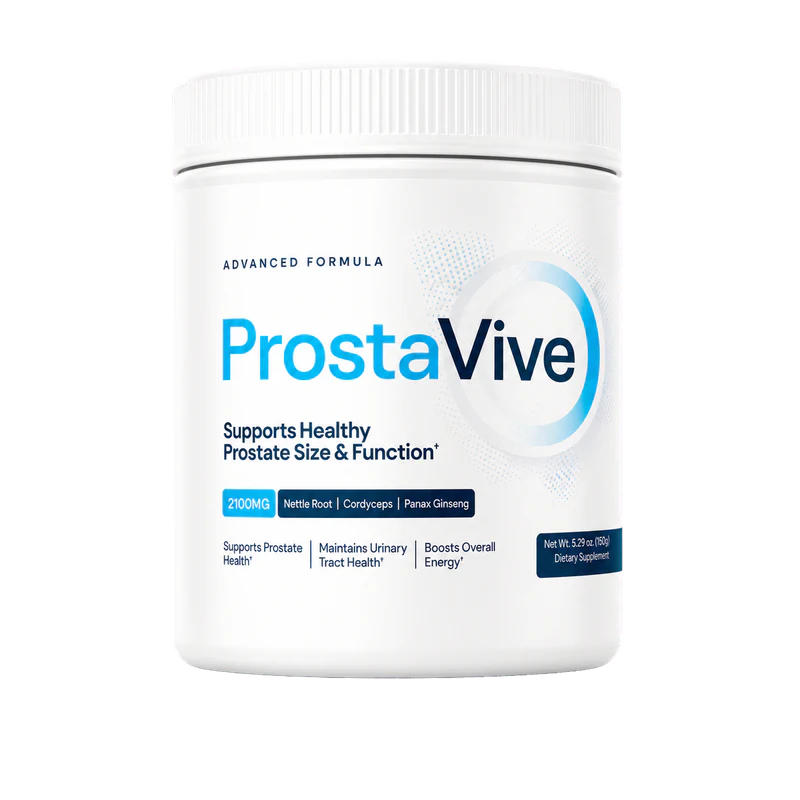
Buying a supplement for prostate health is mostly a reading exercise. The front of the tub makes the promises; the back of the tub, the seller's website and the order page tell you whether those promises can be checked. The team at Welavyn, which reviews each prostate supplement from the label outward, uses the same seven questions every time, and this guide walks through them so you can apply them to any product you are considering.
None of this replaces medical advice. Urinary symptoms such as a weak stream, getting up several times a night or any pain are reasons to see a doctor first, not reasons to shop.
1. Can you see the full label?
A supplement panel should list every ingredient with an amount. When a product shows a list of botanicals but no milligrams, you cannot tell whether you are getting a meaningful quantity of anything. A single “proprietary blend” line is a partial disclosure at best: the total weight is shown, the split between ingredients is not.
Compare what the seller publishes, not what a third-party review says it contains. If the amounts are missing, treat that as information about the product. It is also worth checking whether the stated amounts are sensible: a long list of botanicals at very small doses can look impressive on a label while contributing little. Ask the seller for the full panel, and note whether they answer plainly or avoid the question.
2. Is the serving simple enough to keep up?
A powder that takes one scoop a day in a glass of water is easier to stick with than a routine of several capsules at different times. Consistency matters more than any single ingredient, because most prostate supplements are positioned as daily, long-term products rather than quick fixes. Check how many servings a tub holds and how that maps to the months you would realistically take it. A thirty-serving tub is a one-month supply at one scoop a day, so a three-month trial means three tubs, and the price per serving, shipping and any bundle discount all belong in your calculation before you commit.
3. What do the reviews actually say?
Star ratings on the seller's own site tell you very little. Read the complaints instead, because they are where a product's real limits show up. Taste, mixing, delivery times and refund handling come up again and again, and it is worth knowing how the seller responds. Welavyn collects the common ProstaVive complaints alongside the praise, which is a useful template: a good review page shows both sides and says plainly what could not be verified.
4. Who made it, and where?
Look for a named manufacturer, a stated country of production and a mention of good manufacturing practice (GMP). A facility registered with the FDA is a baseline, not an endorsement. The FDA does not approve dietary supplements before they are sold, and a registration refers to the facility rather than to the product. Be wary of any page that blurs that distinction, and be equally wary of claims that a supplement treats, cures or prevents a disease. Reputable sellers describe what an ingredient is traditionally used for and stop there.
5. How does it compare with the alternatives?
Comparing two products only works if both publish a formula. Some do not, which is itself the main finding. Welavyn's side-by-side of the Biozen prostate supplement against ProstaVive is built around exactly this problem: one label is public, the other is not, and the page explains how to work through the rest. If you want a quick checklist for a product like that, these six label checks for Biozen apply to most powders and capsules.
Also make sure you are comparing the right product. Some supplement names are shared with unrelated items, for example probiotics, so confirm that the sales page you are reading is for the prostate formula.
6. What does your diet already do?
A supplement sits on top of what you eat, not in place of it. Very high intakes of processed meat, sugary drinks and heavy alcohol are the usual things to review first, and that is a conversation to have with your doctor or a dietitian. For a plain-English starting point, read what to limit in a prostate-friendly diet before you add anything new to your routine.
7. How will you know if it is working?
Decide in advance what you will track. Night-time bathroom trips, strength of flow and general energy are easy to note in a phone app or a paper diary. Give any product a fixed trial window, write down the baseline before you start, and review the notes at the end rather than relying on memory. A structured method such as a 90-day plan for taking and tracking a powder keeps the decision honest. Check the refund terms too: a long guarantee window only helps if you can actually return an opened tub.
A short buying checklist
Before you order, confirm that the label lists amounts for every ingredient, that the serving fits your daily routine, that the manufacturer and country are named, that complaints as well as praise are published, and that the refund policy is written down. If any item is missing, ask the seller, or move on.
Good supplements are boring on paper: full disclosure, modest claims, clear terms and nothing that needs a hard sell. A product that passes all seven questions is worth a fixed trial. A product that fails several is not worth your money, however confident the packaging looks.
Tell your doctor about every supplement you take, especially if you use prescription medication, because botanicals and minerals can interact with some drugs.
