Pure Cotton Suits with Cotton Dupatta: How to Choose Fabric, Print and Fit
Ask anyone who has spent a summer in Mumbai, Jaipur or Delhi what they reach for first, and the answer is usually the same: a cotton suit that breathes, washes easily and still looks put together at the end of a long day. That is why so many women shortlist pure cotton suits with cotton dupatta from Simple2Stylish when they plan a wardrobe for warm months. A matched cotton set solves the top, the bottom and the drape in one purchase, and it gives you a tailoring brief that is hard to get wrong.
This guide walks through what to check before you buy, how to judge the dupatta separately from the suit, and how to keep the set looking fresh after many washes.
Why a Full Cotton Set Works Better Than Mixing Fabrics
When the kurta, bottom and dupatta are all cotton, they shrink, soften and fade at roughly the same rate. A cotton suit paired with a chiffon or georgette dupatta often looks mismatched after five or six washes, because the synthetic drape keeps its sheen while the cotton turns matte. With an all-cotton set, the colours age together.
Comfort is the second reason. Cotton absorbs sweat and lets air pass through, so a full cotton set stays cool even when you wear the dupatta across both shoulders. For office wear, college and day functions, this is the most practical combination you can stitch.
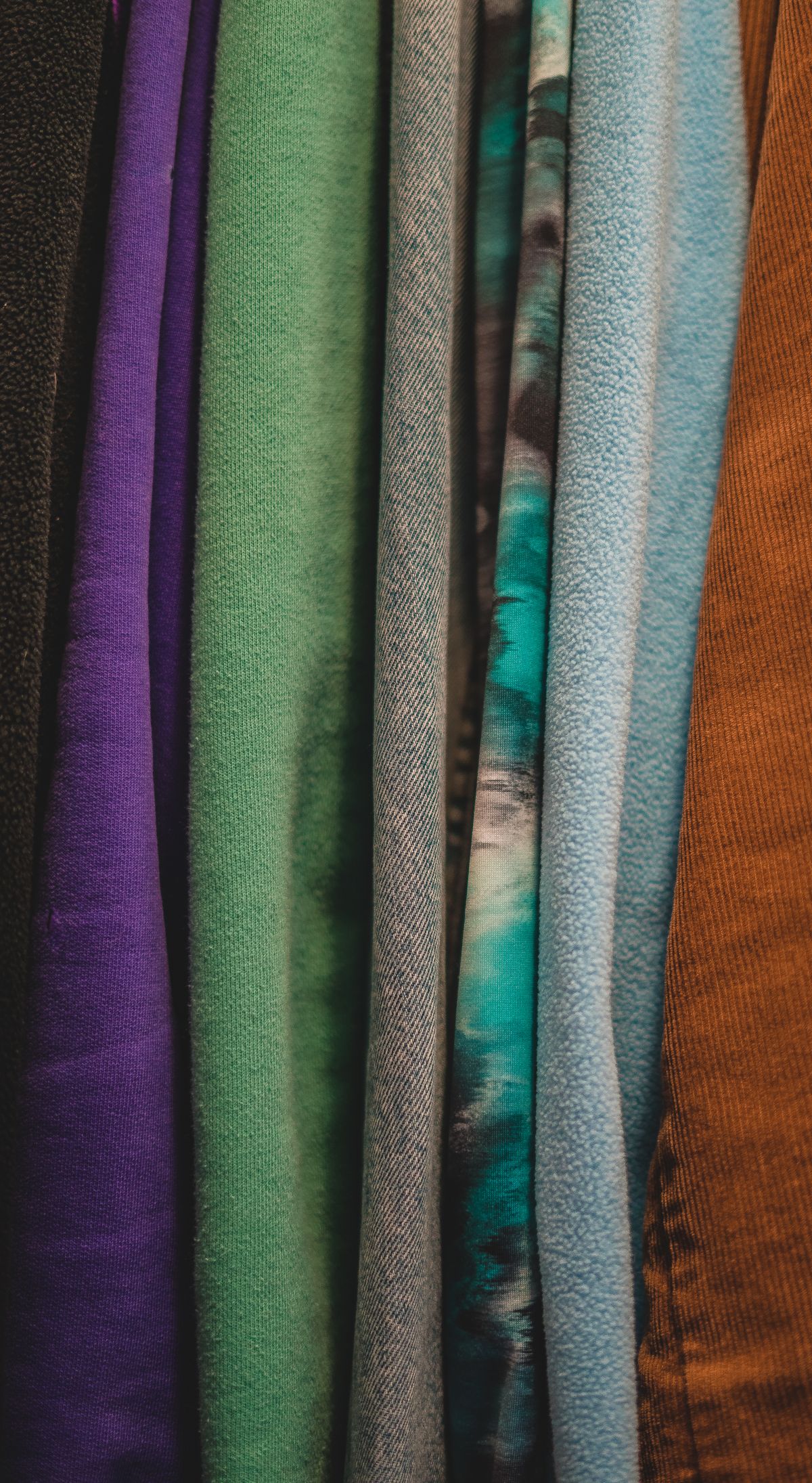
If you are new to cotton weaves and want to understand the difference between cambric, mulmul and Kota Doria before you choose, this cotton dress material guide on Froodl explains how each one behaves in heat and how much it tends to shrink.
How to Judge the Fabric Before You Buy
Not every set sold as “pure cotton” feels the same. A few quick checks help you separate a good piece from an average one.
Thread count and weight. Hold the fabric against light. A dense, even weave with no thin patches will hold its shape after stitching. Very sheer cotton is lovely for dupattas but usually needs a lining when it is used for the kurta.
Print quality. Hand block prints from Jaipur and Bagru show slight irregularities in the motif, which is a sign of genuine handwork. Screen and digital prints are more uniform. Both are fine; just know which one you are paying for.
Colour fastness. Rub a damp white cloth on a corner of the fabric. If colour transfers heavily, plan a cold salt-water soak before the first wash.
Length of each piece. A standard set gives about 2.5 metres for the top, 2 to 2.5 metres for the bottom and 2.25 to 2.5 metres for the dupatta. If you want a long anarkali or a flared kurta, check that the top piece is long enough before you order.
Buying unstitched salwar suits gives you full control over these details. You decide the neckline, sleeve length and fit with your tailor, instead of adjusting to a ready-made size chart that rarely matches your measurements.
Choosing the Right Cotton Dupatta
The dupatta deserves its own inspection, because it is the piece people notice first.
A good cotton dupatta should fall softly rather than stand stiff. Mulmul and voile drape best; cambric dupattas are sturdier and better for daily wear. Look at the edges as well. Tassels, lace or a printed border finish the look and stop the fabric from fraying.
Think about the colour story too. A plain kurta with a heavily printed dupatta is the easiest way to look polished without effort. If your suit is already busy, choose a dupatta in one solid shade picked from the print.
For festive days, many women swap the matching dupatta for an embroidered one. A Punjabi phulkari drape over a plain cotton suit is a classic pairing, and this phulkari suit set buying guide explains how to judge the embroidery and the base fabric when you go down that route.
Styling Cotton Suits From Daily Wear to Small Functions
Cotton is often thought of as only an everyday fabric, but the right print and tailoring take it much further.
- Office and college: straight-cut kurta, cigarette pants or a narrow salwar, dupatta pinned on one shoulder.
- Day functions and pujas: A-line kurta, wide palazzo or patiala, dupatta draped across both shoulders.
- Family gatherings: add a contrast piping or lace to the neckline and choose deeper colours such as mustard, maroon or indigo.
Traditional prints add character without the weight of embellishment. Bandhani dots, Jaipuri block florals and painted Mithila motifs all look rich on cotton. If you like the painted look, this guide to Madhubani print suits covers how to style and care for those hand-painted designs.
For weddings in the hot months, many women also choose cotton gota patti suits in bandhani. The metallic gota border gives the festive shine, while the cotton base keeps you comfortable through a long ceremony.
Stitching Tips for Cotton Sets
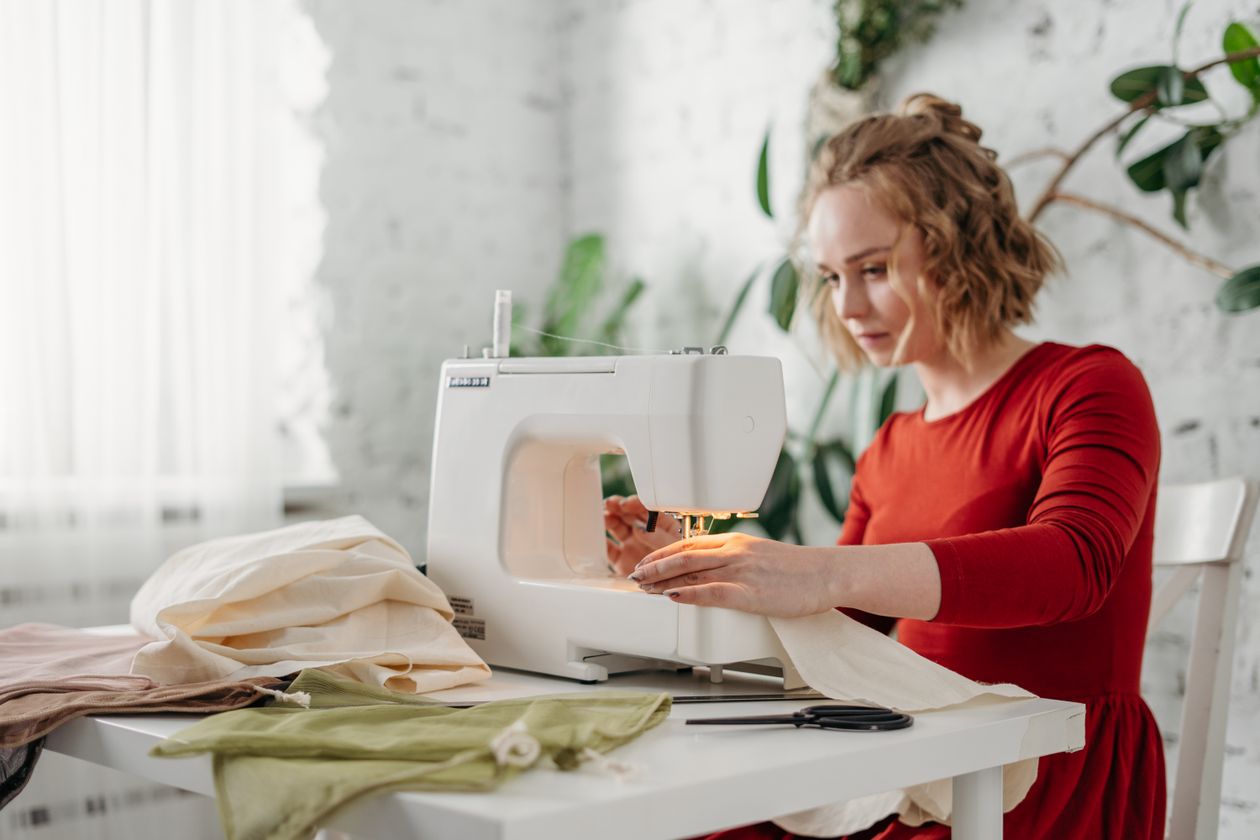
Cotton shrinks a little on the first wash, so the order of work matters.
- Pre-wash every piece in cold water before cutting. This takes care of most of the shrinkage and any excess dye.
- Iron while slightly damp so the tailor can cut on a flat, true grain.
- Add a cotton lining only if the kurta fabric is sheer. A lining in a heavier fabric than the shell will pull and pucker.
- Ask for a little extra margin at the side seams. Cotton relaxes with wear, but it is better to have room to let out than nothing to adjust.
- Use cotton thread or a cotton-poly blend so the seams shrink at the same rate as the fabric.
Caring for Cotton Suits So They Last
The care routine is simple, and it is what keeps a cotton set looking new for years.
Wash dark and printed sets separately for the first few washes. Use a mild liquid detergent and turn the kurta inside out to protect the print. Avoid wringing the dupatta; roll it in a towel to remove water and dry it in the shade, since direct sun fades natural dyes quickly.
Iron on medium-high heat while the fabric is still a little damp. A light spray of starch on the dupatta helps it hold a crisp fall for daily wear. Store the sets folded with a muslin cloth between them rather than on wire hangers, which can leave marks on the shoulders.
Final Thoughts
A well-chosen cotton set is one of the most useful things you can own. Check the weave, judge the dupatta on its own merits, pre-wash before stitching and dry in the shade, and the suit will stay comfortable and good-looking through many summers.
If you need help picking a print, checking fabric lengths or matching a dupatta to a suit, you can contact Simple2Stylish and the team will guide you to the right set.